Sellervista: Innovative Digital Growth Solutions
Increase Revenue: Customized Cross-Platform E-Commerce Reporting Services
Throughout the present digital landscape, companies confront intensifying pressure to understand their buyers. Tailored omnichannel e-commerce analytics offerings offer a solution. By pooling data from multiple sources, organizations can uncover valuable insights into customer patterns. This knowledge is essential for developing potent marketing strategies. Still, the path of implementing these capabilities remains multifaceted and requires careful consideration. What factors should businesses prioritize to attain positive results?
Comprehending Cross-Platform E-Commerce Performance Tracking
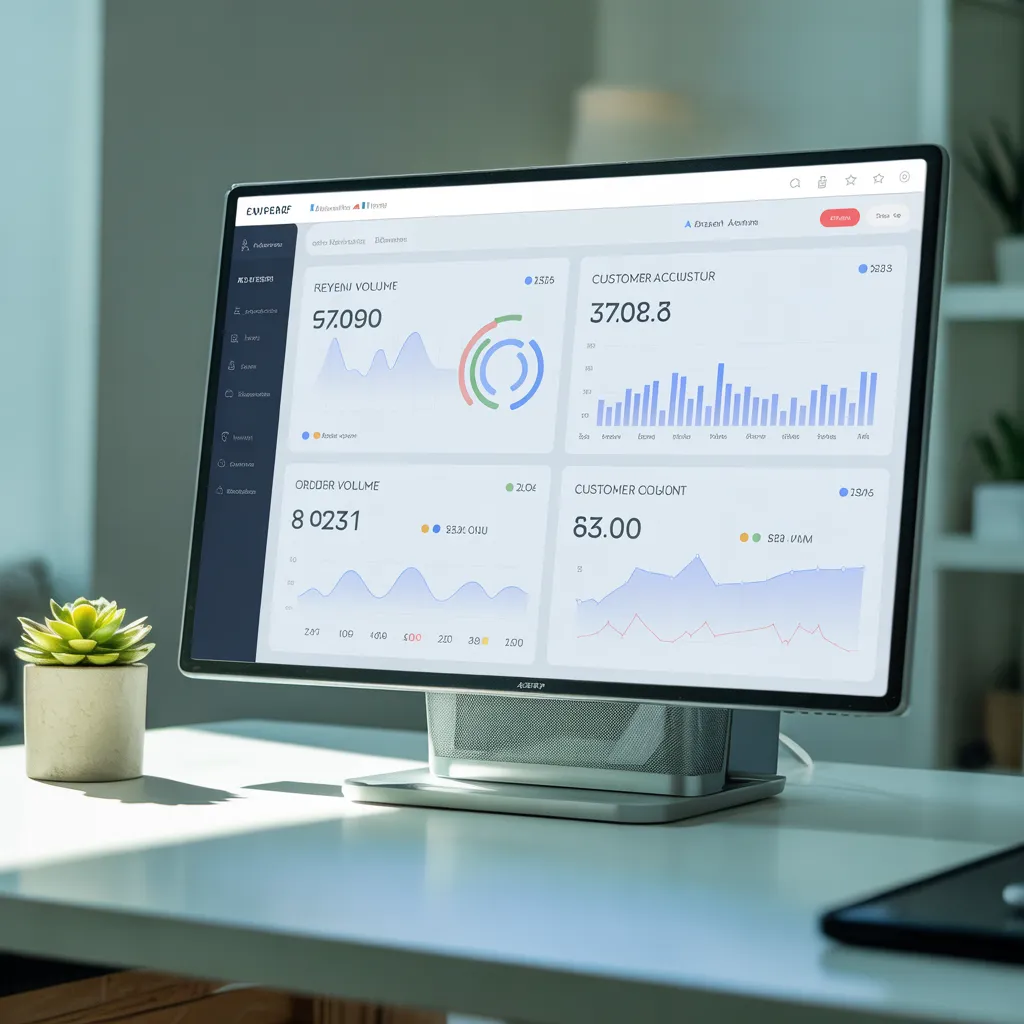
In the current competitive market, nearly 73% of shoppers use multiple channels before making a purchase. Multi-channel e-commerce analytics consists of the methodologies and tools that follow consumer activities across various platforms, such as online stores, social media, and email marketing. By consolidating data from these diverse channels, businesses obtain a complete view of customer behavior, preferences, and purchasing patterns. This analytics approach allows for better understanding of how each channel contributes to the overall customer journey. Additionally, it makes it possible for companies to identify trends, optimize marketing strategies, and allocate resources appropriately. As consumers increasingly switch among different touchpoints, the need for thorough analytics becomes paramount. Understanding these dynamics is important for businesses aiming to enhance customer experiences and improve engagement. Ultimately, effective multi-channel e-commerce analytics can provide the insights needed to adapt to shifting consumer behaviors and market demands.
Advantages of Multi-Channel E-Commerce Reporting for Your Organization
Using omnichannel sales data analysis can significantly improve a business's capacity for comprehending and reacting to customer behavior. By aggregating information across multiple channels, organizations obtain comprehensive understanding into customer preferences and purchasing patterns. This knowledge allows businesses to tailor their marketing strategies effectively, targeting specific demographics through personalized promotions.
Moreover, unified analytics platforms can spot the most revenue-optimal sales channels, allowing firms to deploy resources more strategically. This streamlining can lead to increased closing rates and strengthened customer persistence. Likewise, firms can observe performance in live-time, enabling for rapid recalibrations to marketing efforts based on quantitative conclusions.
Using advanced analytical strategies, companies can stay competitive in a crowded market. Ultimately, the benefits of multi-channel e-commerce analytics not only improve operational flow but also foster a deeper connection with customers, creating opportunities for persistent advancement and profit maximization.
Fundamental KPIs for Impactful Multi-Channel Data Measurement
Strong multi-channel analytics is built on a set of essential metrics to assess performance throughout various platforms. KPIs, channel-level measurements, and conversion rate analysis are critical for grasping how each channel affects overall business success. By monitoring these metrics, businesses can make informed decisions to refine their e-commerce strategies.
Primary Achievement Indicators
While overseeing the complexities of multi-channel e-commerce, companies must track and identify key performance indicators (KPIs) to ensure peak results. KPIs function as critical metrics that help assess various dimensions of e-commerce activities. Indicators such as conversion rates, average order value, and customer acquisition cost provide insights into sales effectiveness and marketing efficiency. Furthermore, tracking customer lifetime value and return on investment (ROI) aids in evaluating long-term financial success. Monitoring these KPIs enables businesses to identify trends, optimize campaigns, and improve customer interactions. By focusing on these key metrics, organizations can take data-driven decisions, ensuring continued expansion and improved performance across all channels. Ultimately, a comprehensive grasp of KPIs is crucial for multi-channel e-commerce achievement.
Channel-Specific Measurements
To enhance omnichannel e-commerce approaches, companies must focus on platform-tailored metrics that provide focused insights into each sales platform. These metrics encompass sales volume, average order value, and customer acquisition costs specific to each channel, enabling companies to assess performance accurately. Additionally, tracking engagement rates on social media or email campaigns can uncover which channels connect most with customers. Understanding return rates and customer feedback for each platform helps pinpoint areas for improvement. By examining these platform-distinct metrics, businesses can customize their marketing efforts, distribute resources effectively, and enhance customer experiences. Ultimately, this targeted approach fosters informed decision-making, generating better results across diverse e-commerce channels.
Conversion Rate Evaluation
Conversion rate analysis functions as a vital component of multi-channel e-commerce analytics, providing insights into how well each channel transforms browsers into buyers. By analyzing the percentage of users who complete a desired action, businesses can recognize advantages and disadvantages across different platforms. This analysis allows for the assessment of various factors, such as user experience, marketing effectiveness, and product appeal. Additionally, contrasting conversion rates among channels can underscore which platforms yield the highest returns, directing resource allocation and strategic focus. Implementing targeted improvements based on this data can significantly improve overall performance. Ultimately, conversion rate analysis empowers e-commerce businesses to refine their approaches, guaranteeing they meet customer needs effectively and drive sales growth.
Choose the Best Data Analysis Platforms for Your Specifications
Determining the appropriate measurement instruments requires identifying vital metrics that correspond to company objectives. Reviewing integration options is important to ensure uninterrupted information movement across applications. This intentional choice methodology enables e-commerce businesses to apply data in an effective manner.
Determine Critical Success Factors
Identifying key performance indicators (KPIs) is essential for any online retail company aiming to optimize its results and accelerate growth. KPIs function as quantifiable metrics that evaluate the impact of various business tactics. Common KPIs feature conversion rates, average order value, customer acquisition cost, and cart abandonment rates. Selecting the correct KPIs enables businesses to focus on specific areas for improvement, making certain that resources are allocated efficiently. Additionally, aligning KPIs with business objectives is vital, as it delivers an clear framework for measuring success. Consistently tracking these indicators allows e-commerce companies to obtain actionable insights, modify strategies, and ultimately boost customer satisfaction and profitability. By focusing on relevant KPIs, businesses can substantially enhance their analytical capabilities and operational efficiency.
Evaluate Tool Integration Alternatives
Examining integration options for analytics tools is significant for e-commerce companies seeking to maximize analytics use. Finding the optimal analytics tools can greatly enhance decisions powered by data and streamline operations. Organizations should consider alignment with systems already in place, usability, and the breadth of intelligence offered. Renowned solutions such as Google Analytics, Adobe Analytics, and Shopify Analytics offer various features customized for individual needs. Moreover, connection features with CRM systems, email promotion systems, and community engagement platforms are vital for full insight into customer behavior. By reviewing these important aspects, e-commerce firms can confirm they adopt tools that address current needs while expanding alongside growth, ultimately driving sales and improving customer engagement.
What's the Best Way to Deploy Your Data Analysis Strategy?
Companies must first establish specific goals that fit with their overall goals to effectively implement an data analytics plan. This vital foundation assures that every analytical undertaking addresses a particular need, whether it's increasing sales, improving customer retention, or fine-tuning marketing efforts.
After objectives are defined, the subsequent phase entails picking proper instruments and solutions that support data collection and analysis. Businesses should prioritize accessible options that work harmoniously with established technology.
Training staff on these instruments is essential for effective data analysis and strategic choices. Consistently monitoring analytics results against the established objectives allows businesses to adapt their strategies as needed.
In addition, developing a insight-oriented ethos within the organization motivates all team members to employ insights in their decision-making processes. By upholding open communication and joint effort across departments, businesses can elevate the overall effectiveness of their analytics strategy, yielding more prudent choices and better performance.
Success Stories: Analytics in Action
Numerous businesses have successfully transformed their operations through the strategic application of data analytics, demonstrating the power of data-driven decision-making. For example, a mid-sized fashion retailer utilized sophisticated analytical tools to monitor customer activity across multiple channels. By identifying buying trends and customer preferences, the retailer improved its inventory, reducing excess stock by 30% and increasing sales by 20% within six months.
In a visit this page comparable manner, an online electronics store employed current data metrics to upgrade its brand promotion methods. By reviewing patron interaction, the store individualized email promotions, attaining a 25% expansion in click performance and a pronounced lift in conversions.
These success stories demonstrate how tailored e-commerce analytics services can generate significant gains in revenue and business performance. By utilizing information strategically, businesses not only improve customer experiences but also achieve a competitive edge in the fast-changing digital marketplace. The deliberate implementation of analytics proves essential for long-term success.
Popular Questions Asked Frequently
How Much Will Customized Analytics Services Typically Set You Back?
Professional data analytics typically span from $500 to $5,000 per month, reliant on the complexity and scope of the services offered. Elements including amount of information and necessary analysis also influence pricing models substantially.
How Do I Choose the Right Analytics Partner?
To select the right analytics partner, one should evaluate competence, industry experience, standing, and service solutions. Additionally, evaluating client reviews and guaranteeing compatibility with specific business needs are essential for making an informed decision.
What Industries Gain Most From Multi-Channel Analytics?
Retail, hospitality, and consumer goods industries derive significant benefits from multi-channel analytics. These sectors capitalize on information to boost customer involvement, refine inventory management, and elevate sales strategies, accelerating advancement through deliberate choices across various platforms.
How many times Should I check My performance metrics?
It is suggested that you regularly review analytics data every week or month. This cadence allows businesses to recognize patterns, make timely adjustments, and optimize strategies effectively, guaranteeing they stay attuned to changing consumer behaviors and marketplace shifts.
Is it Possible for Analysis Instruments to Sync With Established Systems?
Yes, analytical tools can sync with existing systems. Many platforms deliver APIs or built-in connectors, facilitating seamless data exchange and improving operational efficiency. This integration supports thorough insights, fostering informed decision-making across various business functions.